
Menu
Stability and delegation often gets attributed to temperament. Some families just seem calmer, more organized, less affected by disruption. In reality, stability is rarely personal. It’s structural.
Households that feel steady are usually supported by systems that were designed intentionally. Not because something went wrong, but because someone recognized that reliability doesn’t happen on its own.
Well-designed household planning reduce repeated decision-making, not capability. They create consistency without requiring constant attention.

Change is not the problem. Life shifts. Schedules move. Children grow. Work demands fluctuate. The issue is whether a household system can absorb those changes without requiring daily recalibration.
When support systems are fragile, even small disruptions demand outsized effort. When systems are sound, the same disruptions are barely noticeable.
This difference is not luck. It’s design.

The most effective support systems are rarely built in moments of urgency. They’re built during quieter windows, when decisions can be made with clarity rather than pressure.
Planning ahead allows families to think in terms of structure rather than fixes. It creates space to consider roles, coverage, and long-term alignment without compressing everything into immediate need.
This is how support becomes infrastructure instead of intervention.

One of the less visible benefits of well-designed support is cognitive relief. When systems hold, fewer decisions require active management. Less energy is spent anticipating breakdowns or preparing contingencies.
That reduction in mental overhead allows attention to return to work, relationships, and daily life without constant background monitoring.
Stability doesn’t announce itself. It simply makes things quieter.
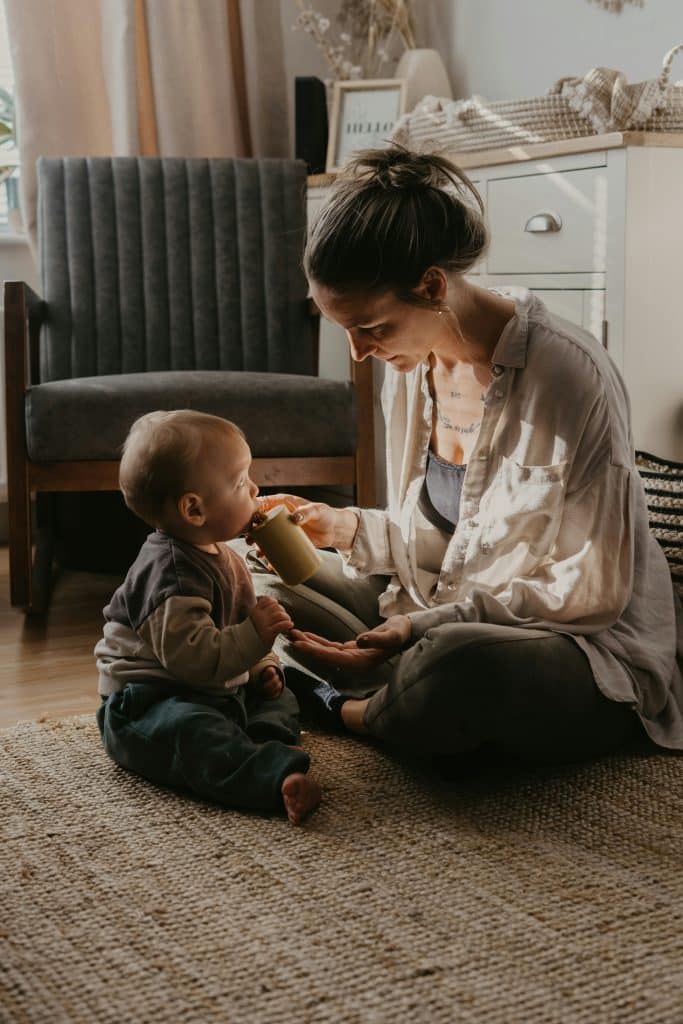
Approaching childcare support as an operational decision reframes the entire conversation. It shifts the focus from urgency to longevity, from immediate gaps to durable structure.
At Crunch Care, long-term placement planning is grounded in this mindset. The goal is not speed. It’s reliability. Support that integrates smoothly and continues working as life evolves.
The most effective systems don’t demand attention to function. They’re built to hold under normal change and operate quietly in the background.That kind of stability isn’t accidental.
It’s designed.
